
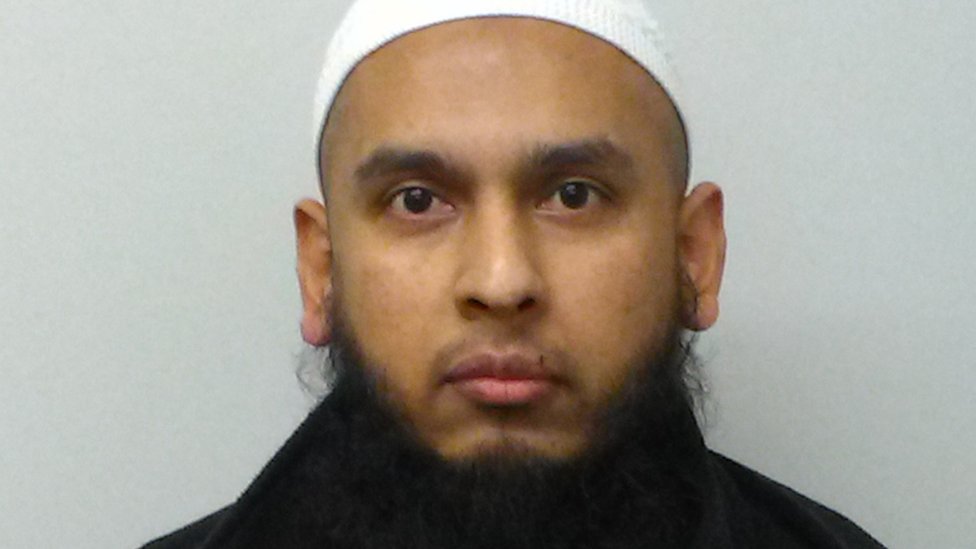
In a decision that has sparked outrage across Britain, convicted Islamist terrorist **Shah Rahman** has been permitted to remain in the United Kingdom even after his asylum application was rejected. Rahman, who was jailed for his role in a major Al-Qaeda-inspired plot to bomb the London Stock Exchange and other targets in 2012, is now living freely in the country with access to state support, including a full benefits package. An immigration judge ruled that deporting him to his native Bangladesh would breach his human rights under Article 3 of the European Convention on Human Rights, which prohibits torture or inhuman or degrading treatment.
The case, which came to light through a recently published judgment in an immigration appeal involving Rahman’s wife, has reignited fierce debate over the UK’s immigration system, national security, and the balance between human rights protections and public safety.
The Terror Plot That Shocked London
Shah Rahman, a Bangladeshi national, was one of four extremists convicted in 2012 for preparing terrorist acts. The group, inspired by Al-Qaeda, plotted to attack high-profile targets in central London, including the London Stock Exchange, the US Embassy, two rabbis, and even then-Mayor of London Boris Johnson. Evidence included a handwritten target list found during police raids. Rahman pleaded guilty to engaging in conduct in preparation for terrorist acts and was sentenced to 17 years in prison.
The plot highlighted the real and present danger of homegrown and imported Islamist extremism in the UK during that period. Prosecutors described the men as radicalised individuals intent on causing mass casualties and economic disruption. Rahman was released on licence in 2017 after serving part of his sentence under automatic early release provisions common at the time.
Upon release, he applied for asylum in the UK, claiming fear of persecution if returned to Bangladesh. However, his claim was firmly rejected under Article 1F of the 1951 Refugee Convention (often referred to as Article 51 in some reports), which excludes individuals who have committed serious non-political crimes, war crimes, or acts of terrorism from refugee protection. Despite this clear exclusion, Rahman was not deported. Instead, he was granted “restricted leave to remain” on human rights grounds.
The immigration judgment states explicitly: “He was granted restricted leave to remain in the United Kingdom on the basis that he could not be removed to Bangladesh without breach of his rights under Article 3 of the Human Rights Convention.”
Human Rights vs. Public Safety: The Judge’s Ruling

Critics argue that the decision prioritises the rights of a convicted terrorist over the safety of British citizens. Article 3 is an absolute right under the European Convention, meaning no exceptions are permitted even for national security concerns in some interpretations. Opponents of the ruling point out that Bangladesh, while having its own challenges with radicalism and prison conditions, is not typically regarded as a country where routine deportation of terrorists would automatically amount to torture.
The details emerged in a Special Immigration Appeals Commission (SIAC) case involving Rahman’s wife, Parveen Purbhoo. She was banned from entering the UK due to her own extremist activities, including support for Islamic State material and security concerns. The judgment referencing Rahman’s status was published as part of that separate legal battle, exposing the earlier decision to allow him to stay.
Rahman is described as a “free man” with access to public benefits, though the exact level of restrictions on his leave (such as reporting requirements or travel bans) remains unclear from public reports. His current place of residence has not been officially disclosed for security reasons, but the mere fact that a convicted terrorist linked to Al-Qaeda ideology is residing in the UK with state support has caused widespread concern among communities, particularly in London and areas with histories of terror threats.
Recent Developments and an Unusual Move
The story has taken a fresh twist with reports that Rahman recently made an unexpected and unusual move. While specifics are limited in open sources, insiders suggest it involves family or legal manoeuvres tied to his wife’s failed attempts to join him or related appeals. Some speculation points to efforts to regularise his status further or relocate within the UK, potentially raising fresh worries for local residents if his presence becomes known in a particular area.
This development comes amid broader tensions over UK immigration policy. Successive governments have promised tougher deportation rules for foreign criminals and terrorists, yet cases like Rahman’s illustrate persistent challenges. Human rights lawyers often argue that returns to certain countries risk ill-treatment, even for serious offenders, while security experts counter that the UK has a duty to protect its own population first.
Public reaction has been swift and angry. On social media and in comment sections, many have expressed disbelief that someone who plotted mass violence in the heart of London could be shielded by the very system meant to safeguard citizens. Figures from across the political spectrum have called for a review of Article 3 applications in terrorism cases and greater use of diplomatic assurances with countries like Bangladesh to enable safe returns.
Wider Context: Failures in Deportation and Radicalisation
Rahman’s case is not isolated. The UK has faced repeated criticism for difficulties in deporting foreign national offenders, including those with terror convictions. Automatic early release, combined with appeals under the Human Rights Act 1998 (incorporating the ECHR), has allowed some dangerous individuals to remain or re-enter the country.
In recent years, the government has attempted reforms, including closing loopholes around citizenship deprivation appeals and strengthening border security measures. However, absolute rights like Article 3 continue to complicate removals. Bangladesh has cooperated on returns in some cases, but risks of mistreatment—real or perceived—often derail efforts.
Security sources have long warned about the dangers of radicalised individuals, whether homegrown or from abroad, exploiting legal protections. The 2012 plot was foiled, but the ideological drivers behind it persist in certain networks. Allowing someone with Rahman’s history to stay raises questions about monitoring, deradicalisation, and the potential for re-offending or inspiring others.
Calls for Accountability and Reform
Politicians and commentators have demanded answers. Questions are being asked about why Rahman was not deported immediately after his sentence, the exact risk assessment conducted regarding Bangladesh, and whether public protection was adequately weighed. Some have called for naming the judge involved and reviewing similar past decisions.
The Home Office has not issued a detailed public comment on this specific case, citing ongoing sensitivities, but a spokesperson reiterated commitments to deport foreign criminals “where possible” and protect national security.
For many Britons, the case symbolises deeper frustrations with a system perceived as soft on serious offenders while straining public resources. Taxpayers funding benefits for a man who once targeted the financial heart of the nation adds insult to injury.
As more details potentially emerge from related appeals, pressure is likely to mount for legislative changes to prevent similar outcomes. Proposals include faster deportation processes for terror convicts, bilateral agreements for returns with safeguards, and possible reform or reinterpretation of human rights obligations in national security contexts.
The Rahman case serves as a stark reminder of the tensions at the intersection of immigration, terrorism, and human rights law. While the UK upholds important legal principles, the public expects robust protection from those who have demonstrated intent to harm the country and its people.
What happens next—whether further appeals, tighter restrictions, or political intervention—will be closely watched. In the meantime, many are left wondering how a failed asylum seeker and convicted terrorist linked to Al-Qaeda ideology continues to live in Britain with state support.
This is far from an isolated incident, and the debate it fuels is likely to intensify in the coming weeks and months.


