
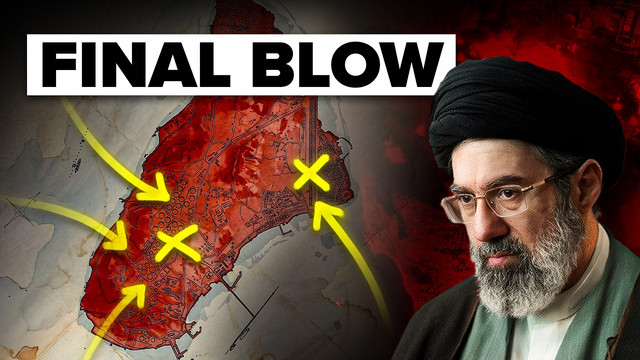
In a dramatic escalation of the ongoing U.S.-Iran conflict, American forces have struck key military targets on **Kharg Island**, Iran’s critical oil export hub, effectively stripping away one of the regime’s last major economic lifelines while deliberately sparing its vital oil infrastructure—for now. The precision strikes, announced by President Donald Trump on March 13, 2026, targeted more than 90 Iranian military assets, including naval mine storage facilities, missile bunkers, air defenses, a naval base, and an airport control tower. Yet the island’s massive oil terminals, pipelines, storage tanks, and loading jetties remained untouched, leaving Washington with powerful leverage over Tehran’s economy.
Kharg Island, a small coral outcrop roughly 15-21 miles off Iran’s southwestern coast in the Persian Gulf, serves as the backbone of Iran’s oil economy. Nearly 90-94% of the country’s crude oil exports—approximately 1.5 to 1.6 million barrels per day—flow through its facilities. Pipelines from major inland fields converge here, where crude is stored and loaded onto supertankers capable of carrying up to 2 million barrels each. The island’s deep waters allow large vessels to dock at long jetties, a logistical advantage the shallower mainland coast cannot match. In 2025, oil revenues linked to Kharg accounted for an estimated $53 billion, representing about 11% of Iran’s annual GDP. Without it, Iran’s ability to generate foreign currency and fund its government, military, and proxy networks would collapse rapidly.
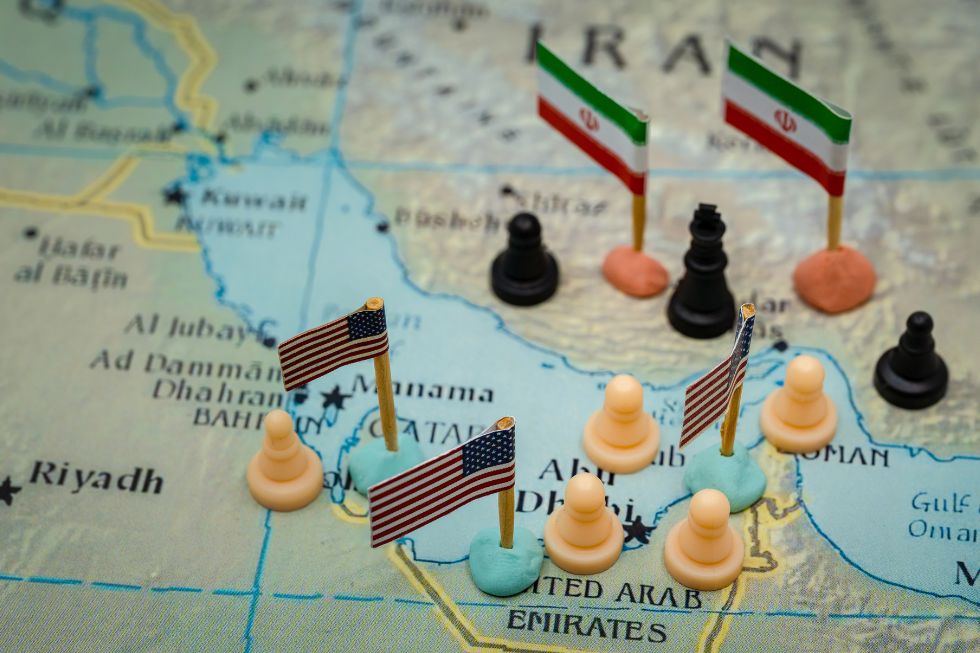
The March 13 strikes were part of a broader U.S. and Israeli campaign that began on February 28, 2026, aimed at degrading Iran’s nuclear program, missile capabilities, and naval forces while pressuring Tehran to reopen the **Strait of Hormuz**. Iran’s Islamic Revolutionary Guard Corps (IRGC) had blockaded or threatened shipping through the strait—which handles about 20% of global oil and liquefied natural gas—using naval mines and other weapons stored on Kharg. U.S. Central Command confirmed the operation hit military sites while “preserving the oil infrastructure.” Trump described it as one of the “most powerful bombing raids in the History of the Middle East” and explicitly stated he chose not to destroy the oil facilities “for reasons of decency.”
In a pointed warning delivered via social media and public statements, Trump made clear that this restraint is conditional. “I have chosen NOT to wipe out the Oil Infrastructure on the Island,” he posted. “However, should Iran, or anyone else, do anything to interfere with the Free and Safe Passage of Ships through the Strait of Hormuz, I will immediately reconsider this decision.” He has since floated even more aggressive options, including completely obliterating Iran’s electric generating plants, oil wells, desalination facilities, and Kharg itself if negotiations fail. Trump has also mused openly about seizing the island outright, telling interviewers the U.S. could “take Kharg Island very easily” and that doing so would provide enormous leverage while potentially allowing America to control or protect the oil assets.
This calculated approach—destroying military defenses while holding the economic heart hostage—has shifted the balance of power dramatically. By degrading Kharg’s air defenses (including HAWK surface-to-air missiles) and other protections, the U.S. has made any future strike on the oil facilities far simpler and less risky. Iran has responded by reinforcing the island with additional troops, laying traps, and bolstering remaining defenses, but analysts note that its overall military capabilities have been significantly eroded after weeks of sustained U.S. and Israeli strikes.
The strategic calculus is clear: Kharg represents Iran’s last major remaining economic pillar amid the conflict. With oil exports already disrupted by the Hormuz blockade and broader sanctions, any sustained damage or seizure of the island could cripple Tehran’s revenue stream almost overnight. Experts warn that destroying or occupying Kharg could send global oil prices soaring above $100 per barrel in certain scenarios, as markets price in prolonged supply disruptions. China, Iran’s primary buyer, would face immediate shortages, while the ripple effects would hit energy markets worldwide.
Yet the path forward carries serious risks. Former CIA officials and military analysts describe a potential U.S. ground operation—boots on the ground via amphibious assault by Marines—as “extremely risky.” Kharg sits only about 15-20 miles from the Iranian mainland, placing any occupying force within easy range of Iranian drones, missiles, and artillery. Iran has warned it would resist fiercely and mobilize significant forces, potentially turning the tiny island into a costly quagmire reminiscent of past Middle East entanglements. Seizing it might not even guarantee reopening the Strait of Hormuz, as Iran could retaliate by attacking Gulf shipping, U.S. bases, or allied oil facilities elsewhere.
Alternative strategies under discussion include a naval blockade of tankers leaving Kharg or precision strikes limited to loading equipment and storage tanks if escalation becomes necessary. Trump has indicated talks facilitated by Pakistan are making “great progress,” with Iran recently allowing 20 oil tankers through the strait as a goodwill gesture. However, Tehran has rejected broader U.S. demands, including dismantling its nuclear program, leading to continued strikes across Iran and Iranian counterattacks on Gulf targets and Israeli infrastructure.
The decision to spare Kharg’s oil facilities initially reflects a mix of strategic restraint and long-term calculation. Completely destroying the infrastructure could make post-conflict reconstruction harder and drive oil prices to unsustainable levels, harming the global economy—including U.S. allies. By contrast, holding the threat in reserve gives Washington a powerful bargaining chip to force concessions on nuclear issues, regional proxies, and freedom of navigation. Some observers speculate Trump’s comments about “taking the oil” hint at a desire to secure or influence these assets rather than annihilate them.
As the conflict enters its fifth week, the situation around Kharg Island underscores a dangerous new phase. U.S. Marines—thousands already in the region with more en route—are positioned for potential operations, while Iran continues to fortify the island and mobilize forces. Diplomatic efforts continue in parallel, but the military pressure remains intense. CENTCOM has reported striking over 11,000 targets across Iran in the broader campaign, significantly degrading missile launchers, naval assets, and air defenses.
For Iran, the loss of military control over Kharg has removed a key layer of protection for its economic lifeline. The regime now faces an existential choice: continue defiance and risk total economic strangulation, or negotiate under duress while its oil infrastructure remains intact but vulnerable. For the United States, the island offers a rare combination of high leverage and calibrated escalation options—from further airstrikes to potential occupation—without immediately triggering the full-scale oil shock that outright destruction would cause.
Global markets are watching closely. Oil prices have already risen on fears of wider disruption, and any move against Kharg’s oil facilities could trigger panic buying and supply chain chaos. Analysts caution that while the U.S. holds the upper hand militarily, the human and strategic costs of prolonged involvement or ground operations could prove steep.
As President Trump weighs the next steps—whether to press the advantage through talks, tighten the noose with additional strikes, or consider the high-risk option of seizing the island—the world holds its breath. Kharg Island, once a quiet cornerstone of Iran’s energy empire, now stands at the center of a conflict that could reshape the Middle East, global energy security, and the future of U.S.-Iran relations for decades.
The last major thing keeping Iran’s economy alive remains standing, but it is now firmly in America’s crosshairs. The coming days and weeks will determine whether this leverage forces a breakthrough—or ignites an even more dangerous chapter in the war.


