
The political temperature across the United Kingdom has surged once again following the dramatic outcome of the Gorton and Denton by-election, a result that has ignited fierce debate, emotional reactions, and deeply polarized interpretations about what it truly represents for the future of British democracy. What should have been a routine local contest has instead become a national flashpoint, exposing underlying tensions around identity, representation, and the evolving dynamics of voter behavior in modern Britain.
![P110 - P Loco ft. Kaypa - Lego Guys [Net Video] - YouTube](https://i.ytimg.com/vi/pepGQEk-NdI/hq720.jpg?sqp=-oaymwEhCK4FEIIDSFryq4qpAxMIARUAAAAAGAElAADIQj0AgKJD&rs=AOn4CLDridLMIUC-QSx3TKHfvupmr2kJYw)
At the center of the storm is the unexpected defeat of independent candidate Nick Buckley, a figure widely known for his grassroots charity work and strong local connections. His loss, particularly by such a significant margin, has shocked supporters who believed his community presence would translate into electoral strength. For many, the result raises uncomfortable questions about whether traditional measures of local influence are being reshaped by broader demographic and political trends.
The victory itself has been interpreted in sharply different ways depending on perspective. Supporters of the winning side argue that it reflects legitimate democratic engagement, pointing to increased turnout and effective mobilization as signs of a healthy, functioning electoral system. In their view, communities coming together to support candidates who represent their interests is not only normal but essential in a diverse society where multiple voices compete for representation.
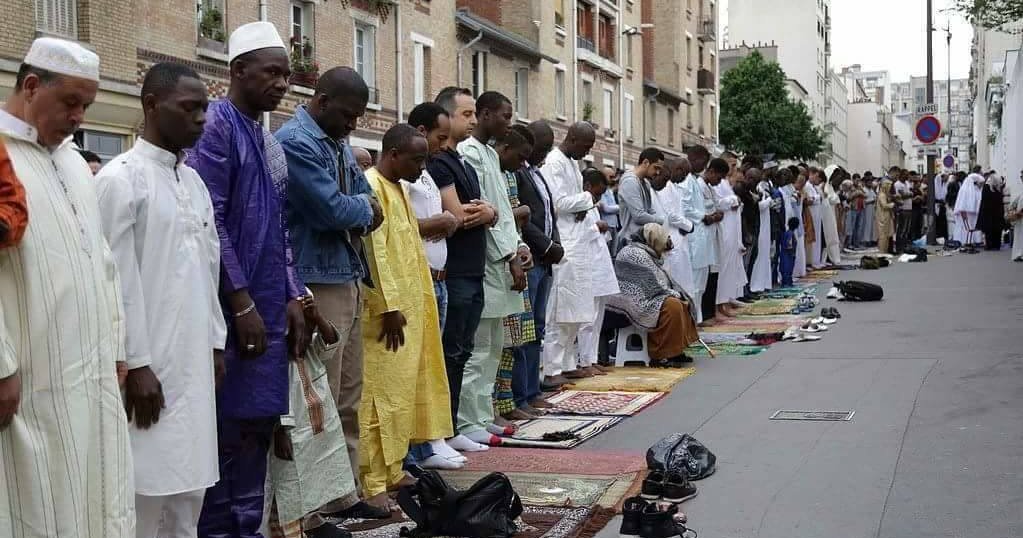
Critics, however, have seized on the result to voice concerns about voting patterns and the role of tightly coordinated community support. Some commentators have suggested that when large groups align strongly behind specific candidates, it can create the perception—whether accurate or not—of imbalance within the democratic process. These concerns have been amplified online, where emotionally charged narratives often spread faster than nuanced analysis, fueling suspicion and deepening divisions.
It is important to note that allegations of “block voting” or coordinated turnout are not new in democratic systems, and they are not unique to any single community. Political scientists have long observed that groups with shared interests—whether based on geography, class, profession, or cultural background—often vote in similar ways. The key issue, therefore, is not the existence of such patterns, but how they are understood, framed, and addressed within the broader political conversation.

The role of social media in this unfolding controversy cannot be overstated. Influencers and commentators have rapidly turned the by-election into a viral topic, with clips, opinions, and headlines spreading at lightning speed. Among them are prominent online voices who have framed the result as evidence of systemic failure, while others have pushed back, warning against narratives that risk stigmatizing entire communities or oversimplifying complex electoral dynamics. In this environment, the line between legitimate critique and harmful generalization can quickly become blurred.
Meanwhile, mainstream political parties—including the Labour Party and the Conservative Party—find themselves under renewed scrutiny. Both are being challenged to explain how they plan to address growing voter dissatisfaction, particularly in constituencies where traditional loyalties appear to be shifting. For some observers, the by-election result is less about a single seat and more about a broader signal that the political center is under pressure from multiple directions.

The language surrounding this debate has also become increasingly intense, reflecting a wider trend in political discourse where emotions often outweigh careful reasoning. Terms like “fractured communities,” “lost voice,” and “political takeover” are being used with growing frequency, shaping public perception in ways that can be difficult to reverse. This escalation in rhetoric carries risks, as it can deepen mistrust and make constructive dialogue more difficult to achieve.
At the same time, there are voices calling for a more measured and responsible approach. Community leaders, analysts, and some politicians have emphasized the importance of focusing on shared values and common ground rather than amplifying divisions. They argue that while disagreements over policy and representation are inevitable in a लोकतocratic society, they must be handled in a way that preserves social cohesion and mutual respect.
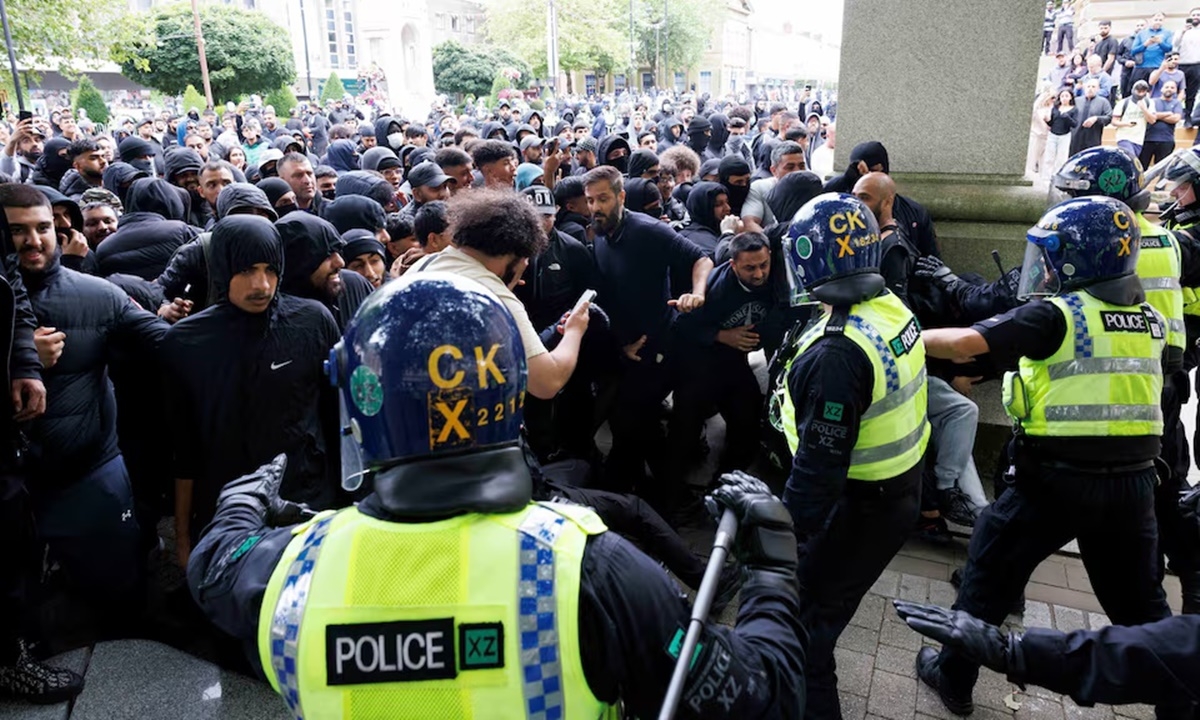
For many ordinary voters, the by-election has become a moment of reflection. It has prompted questions about what representation truly means, how communities can coexist within a shared political framework, and what responsibilities come with participation in a democratic system. These are not easy questions, and they do not have simple answers, but they are essential to the health and stability of any nation.
Looking ahead, the implications of this result will likely extend far beyond Gorton and Denton. Political strategists will analyze the data, parties will adjust their messaging, and candidates will rethink how they engage with increasingly diverse electorates. Whether this leads to greater inclusion and understanding or further polarization will depend largely on how leaders and citizens choose to respond in the coming weeks and months.
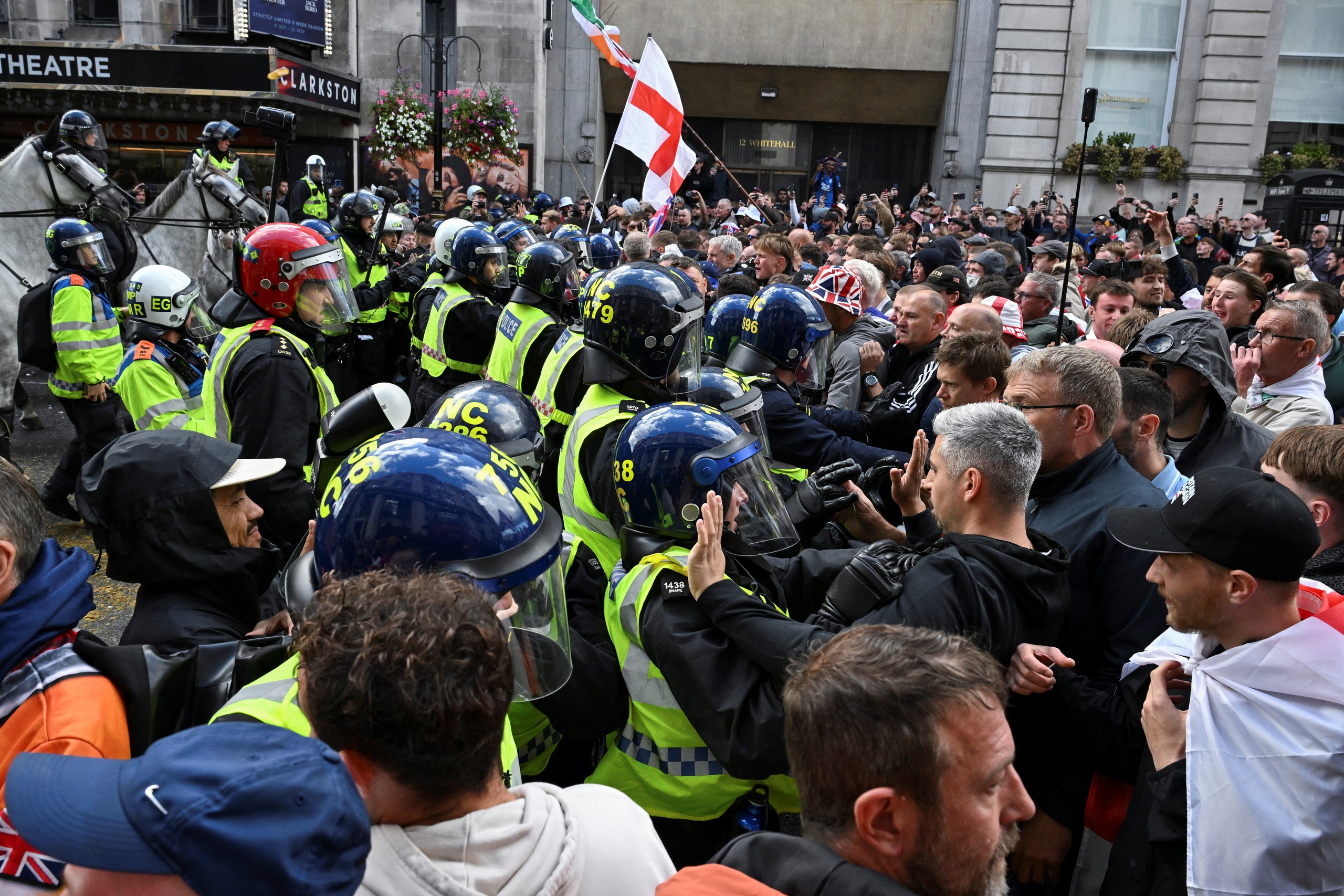
What is clear is that this moment has tapped into something deeper than a single election outcome. It has revealed underlying anxieties, highlighted shifting dynamics, and sparked a conversation that is as urgent as it is complex. The challenge now is to ensure that this conversation moves in a direction that strengthens, rather than undermines, the democratic principles on which the United Kingdom is built.
In the end, the story of this by-election is not just about who won or lost, but about how a nation grapples with change, diversity, and the evolving nature of political participation. It is a reminder that democracy is not static—it is constantly being shaped by the people who engage with it, and its future depends on the choices they make today.


