
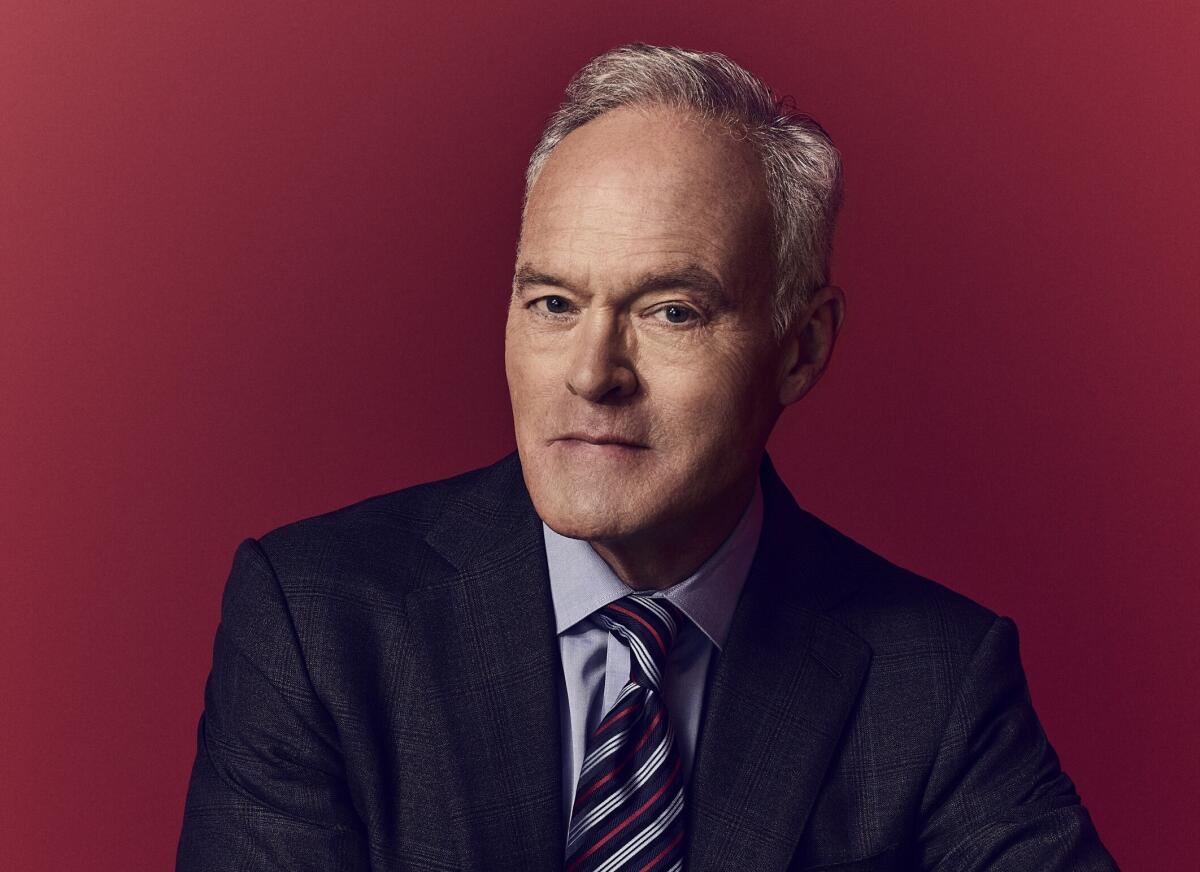
Scott Pelley’s latest podcast, featuring Amanda Ungaro, represents a pivotal moment in the public understanding of Jeffrey Epstein’s influence. For years, layers of secrecy, carefully maintained by wealth, privilege, and fear, obscured the full scope of his network. Pelley’s decision to engage Ungaro in a candid conversation provides a rare window into events that have remained largely hidden for nearly thirty years.
The podcast’s opening set a tone of gravity and revelation. Ungaro immediately framed the discussion by emphasizing that the influence of Epstein extends far beyond what the public or media have documented. This was not a recounting of isolated incidents; it was an attempt to map an intricate system of manipulation, coercion, and facilitation operating across multiple levels of social, political, and elite circles.
Listeners were confronted with the complexity of the network. Ungaro recounted specific instances where high-level actors were complicit, either actively facilitating interactions or indirectly benefiting from the climate of fear. Each revelation underscored the stakes, demonstrating that the network’s operations were sophisticated, far-reaching, and deliberately obscured.
The podcast’s format allowed for extended narrative, personal testimony, and analytical commentary. This structure enabled Ungaro to explain not only the mechanics of Epstein’s influence but also the psychological and social dimensions affecting those entangled in his orbit. The resulting discourse sent ripples across both media platforms and private elite networks, prompting a reevaluation of what had been considered credible public knowledge.
By the end of the first hour, the audience had begun to understand the depth of concealment, the strategies of obfuscation, and the challenges faced by those who dared to investigate or speak out. The conversation illuminated the mechanisms that allowed Epstein’s influence to endure unchecked for decades, creating anticipation and tension for subsequent revelations.
2. The First Lady Connection
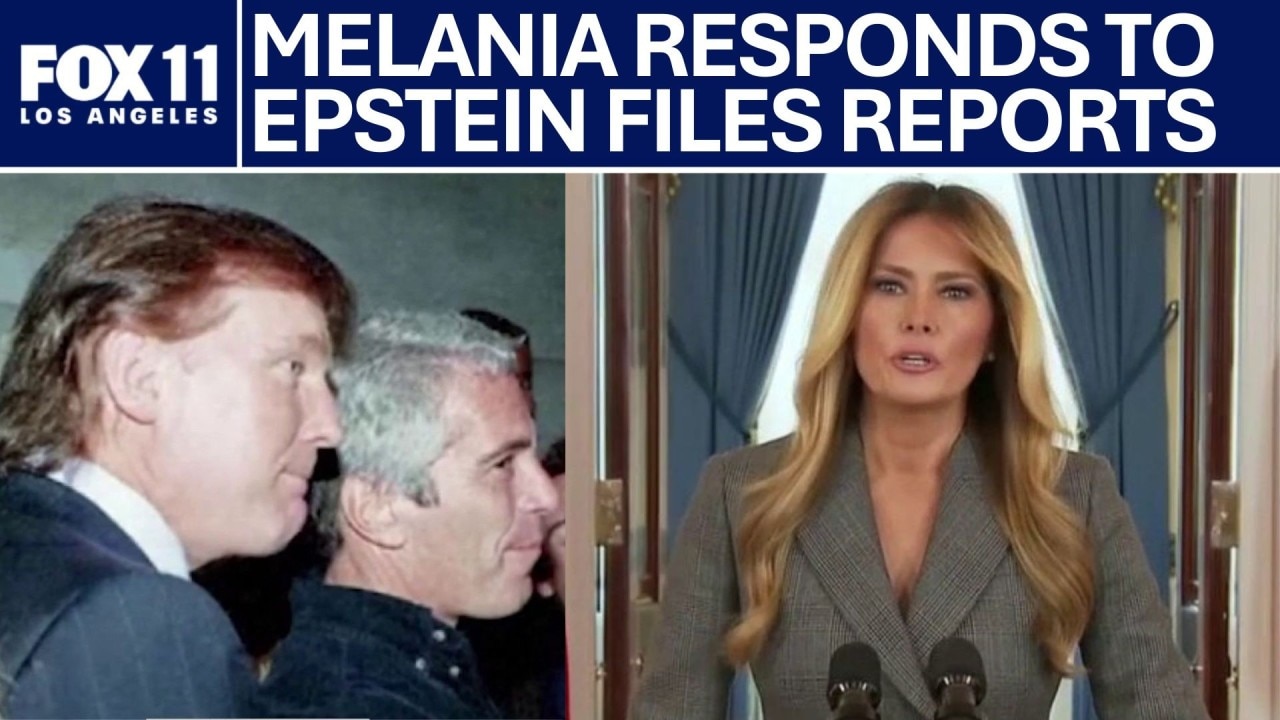
A central element of the discussion involved The First Lady and the networks surrounding her. Ungaro presented her insights with caution and precision, recounting events and associations that have rarely been publicly addressed. She emphasized that the story was not one of direct wrongdoing by the First Lady herself, but rather of how Epstein’s influence and proximity created opportunities for perception, speculation, and potential misrepresentation.
Paolo Zampolli, who had previously claimed responsibility for introducing the First Lady to Donald Trump, was mentioned briefly, underscoring that while individual introductions are notable, they are subordinate to the broader structural and social influence of Epstein’s network. Ungaro’s narrative suggested that the focus on introductions often distracts from the systemic mechanisms that allowed manipulation and secrecy to persist.
The First Lady’s connection, while widely speculated about in public discourse, was clarified as being part of a broader social matrix rather than an isolated act. Ungaro explained that the network operated through a combination of social leverage, curated appearances, and controlled exposure, creating ambiguity and fostering assumptions that have fueled decades of rumor and narrative distortion.
Listeners were challenged to reconsider prior assumptions. The podcast emphasized that understanding the influence surrounding public figures requires attention to structural patterns, relational networks, and historical context. Ungaro’s testimony encouraged critical evaluation of both media narratives and social perceptions surrounding the First Lady.
Ultimately, the discussion illuminated how elite influence intersects with public perception, highlighting the difficulty of disentangling fact, rumor, and manipulation within high-profile social networks.
3. Secrets, Manipulation, and Deception

Ungaro’s insights delved deeply into the strategies Epstein employed to maintain control over information and influence. She recounted how communications, social introductions, and coordinated events were orchestrated to benefit key actors, shield misconduct, and perpetuate secrecy.
Manipulation operated on multiple levels. Victims and witnesses were constrained by fear, social pressure, or legal threats, while participants at the top enjoyed insulation from scrutiny. Ungaro’s account highlighted the deliberate and calculated nature of these structures, illustrating that the network’s endurance relied upon both psychological leverage and social complicity.
The podcast illuminated specific mechanisms: the selective dissemination of information, control over narrative framing, and management of appearances in elite social spaces. Ungaro emphasized that these tactics were not incidental; they were central to sustaining Epstein’s influence and preventing meaningful intervention.
Listeners were prompted to understand the dual nature of secrecy: it both protected perpetrators and distorted public perception. Ungaro’s narrative made clear that unraveling the network requires careful analysis of both visible actions and hidden structures, highlighting the importance of investigative diligence.
The conversation also emphasized the resilience of the network. Ungaro suggested that even as legal actions and public scrutiny increased, the structures facilitating influence, collaboration, and concealment persisted, demonstrating the enduring challenges in achieving full accountability.
4. The Media Ripple Effect

The podcast’s impact extended rapidly into media discourse. Within hours of release, journalists, commentators, and analysts were reassessing previous coverage, noting that Ungaro’s testimony offered context that had often been overlooked. Media outlets began to explore not only the actions of individual actors but also the systemic and relational dynamics underpinning Epstein’s influence.
Social media amplified the conversation further. Audiences engaged with the content, speculating on unnamed actors, connections, and implications for public figures. The podcast served as both informational resource and catalyst for broader dialogue about the responsibilities of journalists, institutions, and elites in reporting or concealing misconduct.
Observers noted that the podcast’s credibility, enhanced by Pelley’s reputation, forced a recalibration of public understanding. Unlike sensationalist reporting, the structured narrative, corroborated details, and analytical approach encouraged careful consideration, prompting professional and lay audiences alike to question prior assumptions.
The ripple effect was not limited to media. Within elite networks, conversations emerged, with some actors reevaluating exposure, historical associations, and potential vulnerabilities. The public and private reactions illustrate the power of investigative narrative to influence both perception and behavior simultaneously.
The media response highlighted a critical dynamic: when highly credible sources reveal systemic patterns, it can destabilize previously assumed narratives, forcing reassessment across social, institutional, and personal domains.
5. Untouched Names and the Extent of Influence
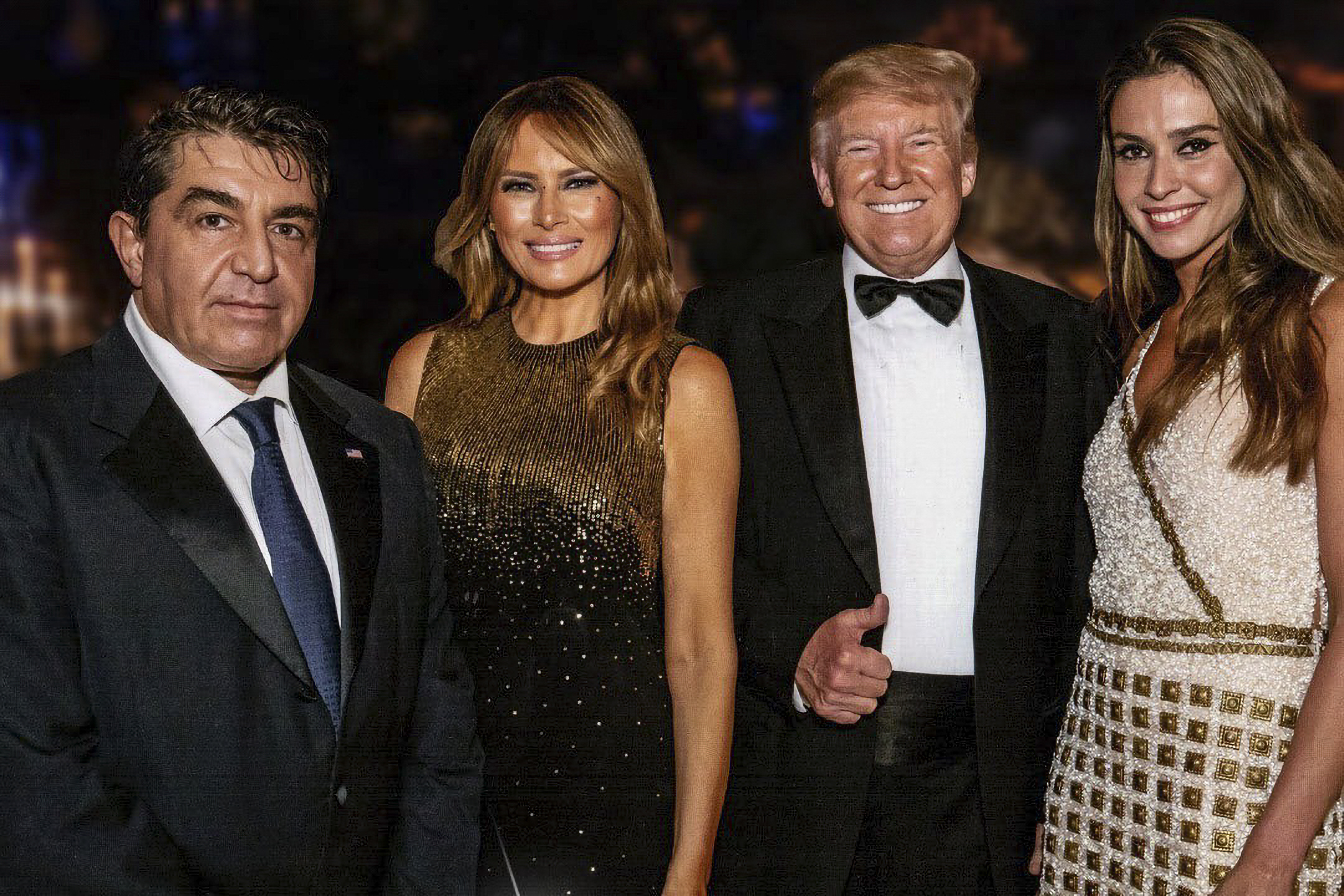
One of the most compelling aspects of the podcast was the revelation that dozens of high-profile names remain untouched. These actors, operating in both public and private spheres, have largely evaded scrutiny despite documented connections to Epstein’s network. Ungaro emphasized that understanding these untouched nodes is critical to grasping the full scope of influence and concealment.
Each name represents not just an individual actor but a link in a broader web of facilitation, protection, and social leverage. Ungaro’s account illustrated how operational continuity depended on coordinated behaviors, shared discretion, and the strategic allocation of influence to prevent exposure.
The podcast highlighted the challenges faced by investigators, journalists, and advocates in documenting these connections. Legal, social, and reputational barriers complicate efforts to examine actors’ roles, making the careful collection of testimony, documentation, and corroboration essential.
By mapping these untouched names, Pelley and Ungaro provided audiences with a more accurate representation of the network’s resilience. The revelation underscores that dismantling such influence requires systematic attention, persistence, and multifaceted investigation.
Finally, the discussion reinforced that public awareness alone is insufficient; actionable scrutiny and accountability are necessary to challenge the protective mechanisms that have shielded individuals from consequences for decades.
6. Historical Implications and Narrative Reframing
Ungaro and Pelley’s discussion invites reconsideration of historical narratives surrounding Epstein’s influence. Prior assumptions, speculation, and misattribution of responsibility are challenged by first-hand accounts, corroborated events, and contextual analysis.
By situating individual actions within systemic patterns, the podcast reframes the conversation. It emphasizes that understanding elite influence requires attention to structural dynamics, networks of intermediaries, and mechanisms of social leverage that extend far beyond direct criminal acts.
Historians, journalists, and legal experts are prompted to reassess prior coverage, identify inaccuracies, and ensure that future accounts reflect verified testimony. The podcast’s content functions as both a historical record and a corrective lens, reshaping the public’s understanding of high-profile associations.
The narrative reframing also underscores the ethical responsibility of intermediaries, witnesses, and institutions. Ungaro highlighted how the selective amplification of certain actors and the omission of structural context has perpetuated misunderstandings for decades.
This broader perspective enriches public discourse and emphasizes the necessity of both precision and context in documenting complex social networks and historical events.
7. Public and Elite Reactions
The release of the podcast triggered varied reactions. Public audiences engaged with the revelations, generating discussion about power, accountability, and the responsibility of high-profile actors. Social media, opinion columns, and community forums reflected a combination of shock, curiosity, and renewed scrutiny of elite networks.
Within elite circles, the podcast caused a reevaluation of prior assumptions and a recalibration of perceived risk. Individuals whose influence had been assumed secure began to consider vulnerabilities, highlighting the psychological impact of credible exposure.
The reactions demonstrate that investigative journalism can influence both perception and behavior. Public scrutiny creates pressure for transparency and action, while elite awareness underscores the interdependence of reputation, power, and visibility in social networks.
Observers noted that the podcast also serves as a model for future reporting: combining credibility, thorough investigation, and structured narrative to maximize impact on both public understanding and the operational considerations of hidden networks.
8. Looking Forward: Unraveling the Network
While the podcast revealed significant details, many questions remain. Who else operates in the shadows of Epstein’s influence? Which historical narratives have been distorted, and which actors continue to benefit from concealment? Ungaro and Pelley’s discussion opens the door for continued inquiry, investigation, and accountability.
Future reporting, legal action, and scholarly analysis are likely to build on the podcast’s revelations. By documenting the depth and scope of influence, the discussion provides a roadmap for uncovering additional actors, tracing structural complicity, and clarifying historical record.
Ultimately, the podcast emphasizes persistence, credibility, and courage in confronting entrenched networks of power. While some actors may remain hidden, the combination of public exposure, investigative diligence, and survivor testimony ensures that secrecy and influence are no longer absolute.
Each revelation contributes to dismantling the protective structures that have allowed elite actors to operate with impunity. The podcast is not the conclusion but a catalyst, encouraging sustained scrutiny, transparency, and a commitment to truth that extends well beyond its runtime.


