
In a dramatic escalation of military action, the United States has launched a devastating series of airstrikes in the Strait of Hormuz, targeting Iran’s anti-access strategy with unprecedented force.
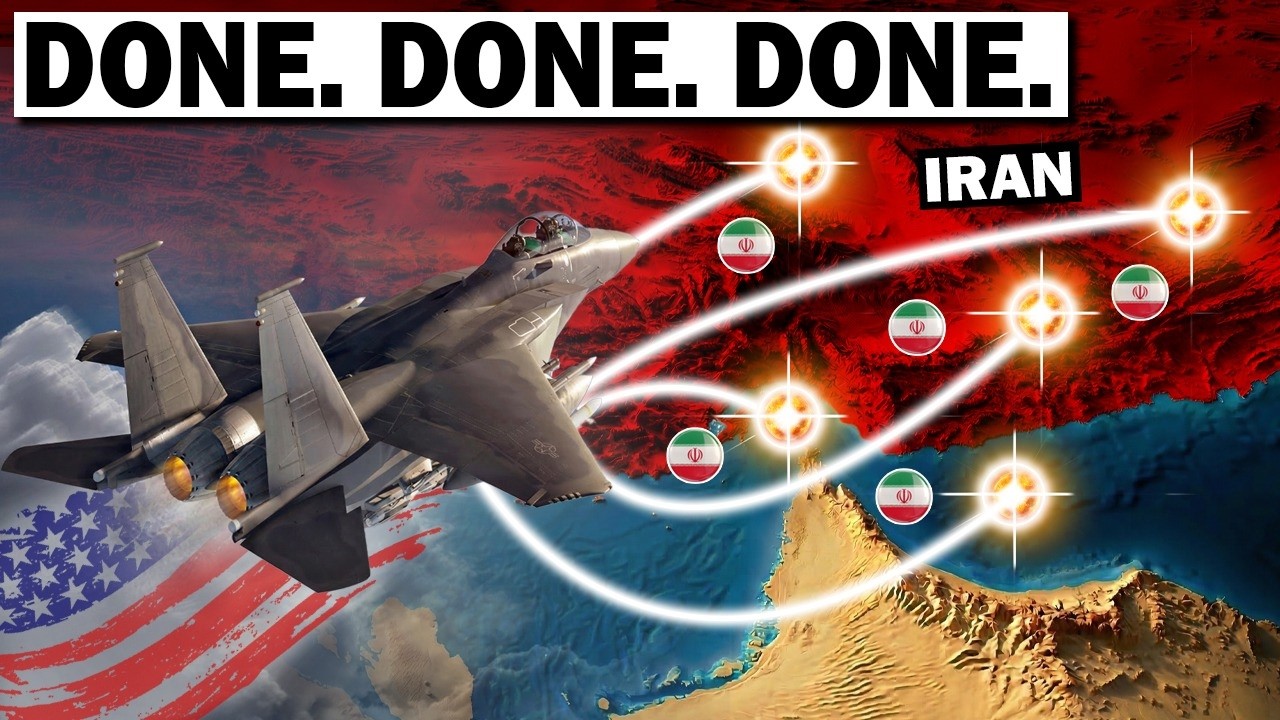
This bold move, marked by the deployment of F-15E Strike Eagles dropping massive 5,000-pound GBU-72 bunker busters, has fundamentally altered the dynamics of the ongoing conflict in the region.
The strikes have not only obliterated Iran’s underground missile and drone facilities but have also signaled a significant shift in U.S. military strategy.
As the dust settles from the explosions, the implications of this military action extend far beyond the immediate destruction of military assets.
A New Era of Warfare
The use of bunker busters in this conflict highlights a new era of warfare where precision and overwhelming firepower are employed to dismantle an adversary’s capabilities.
For the first time in this conflict, the U.S. has effectively neutralized key components of Iran’s asymmetric blockade power, rendering its naval defenses significantly weaker.
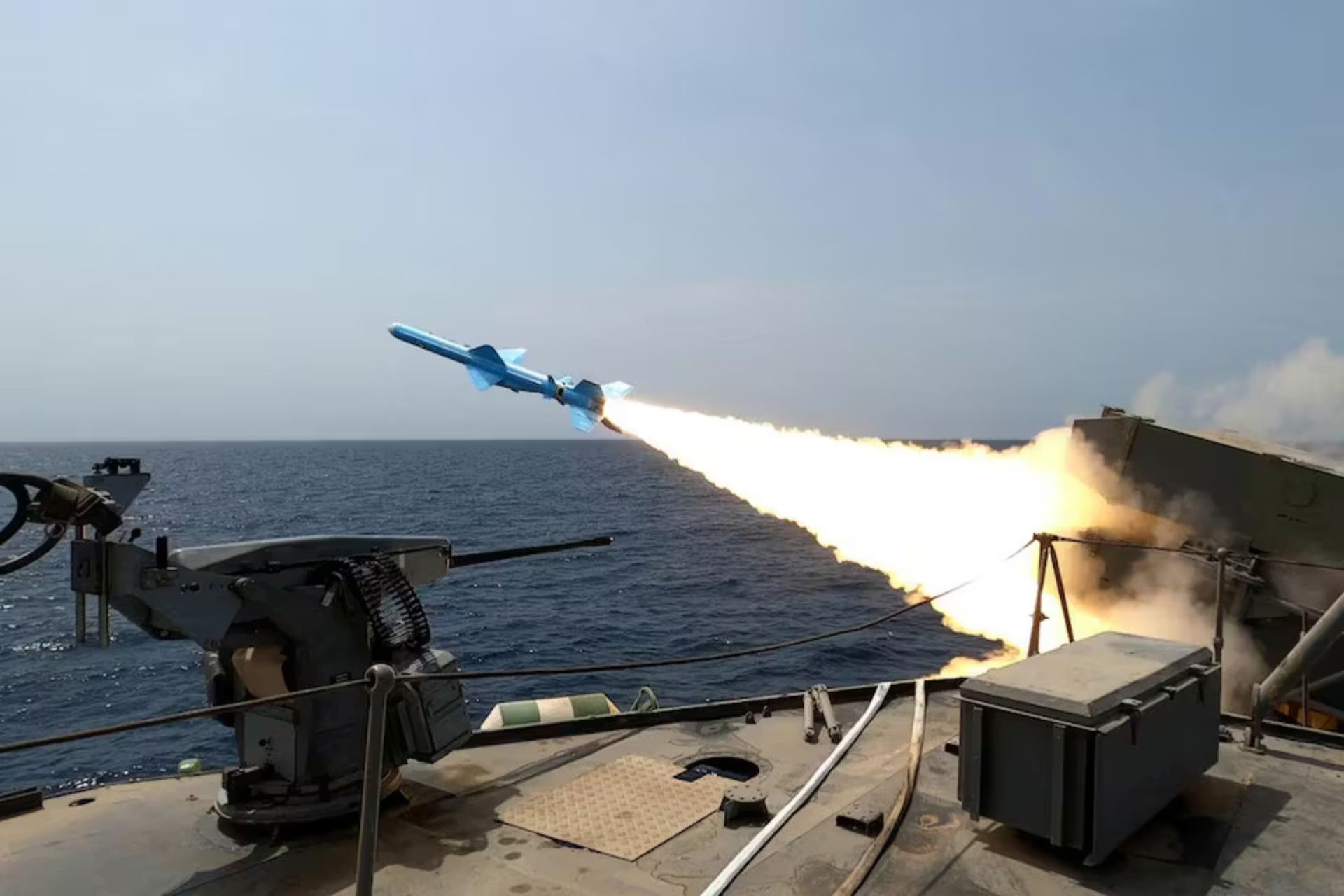
The destruction of Iran’s Noor, Ghadir, and Qader anti-ship missile systems marks a pivotal moment in the ongoing struggle for control over the vital shipping lanes of the Strait of Hormuz.
This strategic waterway is crucial for global oil transportation, and Iran has long threatened to disrupt maritime traffic as a means of exerting pressure on its adversaries.
A Decapitation Strike
The airstrikes also served as a massive decapitation strike against the Iranian Revolutionary Guard Corps (IRGC).
The IRGC Naval Headquarters was targeted with precision, resulting in the elimination of several high-ranking political and military commanders, including notable figures such as Ali Larijani and Gholamreza Soleimani.
This loss of leadership has thrown the Iranian regime into chaos, creating a power vacuum that could have far-reaching consequences for the stability of the region.
The impact of this decapitation strike cannot be overstated; it disrupts the command structure of the IRGC, potentially leading to disarray in Iran’s military operations.

Diplomatic Isolation of the U.S.
Despite this overwhelming display of military might, the United States finds itself facing unprecedented diplomatic isolation.
Calls for a multinational naval coalition to support U.S. efforts in the Gulf have been met with reluctance and outright rejection from key European allies, including Germany, France, and Spain.
China’s refusal to participate further underscores the challenges the U.S. faces in garnering international support for its actions.
The only notable ally willing to assist is India, which has agreed to dispatch vessels to the region.
This lack of support raises questions about the long-term viability of U.S. operations in the Strait of Hormuz and the potential ramifications for global security.

The Endgame: Kharg Island
As the U.S. military assesses the aftermath of the strikes, attention turns to the next phase of operations: the potential capture of Kharg Island.
This strategic hub is vital for Iran, as it plays a crucial role in the country’s oil exports.
By capturing Kharg Island, the U.S. could effectively cut off 90% of Iran’s oil exports, engineering a total economic collapse for the regime.
The mobilization of a massive amphibious force led by the USS Tripoli signifies that the U.S. is prepared to escalate its military presence in the region further.
Such a move would not only have immediate economic implications for Iran but could also provoke a wider conflict in the Middle East.
The Wider Implications
The implications of these military actions extend beyond the battlefield.
The U.S. strategy in the Strait of Hormuz reflects a broader shift in its approach to dealing with adversaries.
As Washington seeks to reassert its influence in the region, it must navigate the complex web of alliances and enmities that characterize Middle Eastern geopolitics.
The potential for a wider conflict looms large, as Iran may respond to these provocations with retaliatory measures of its own.
The stakes are high, and the consequences of miscalculation could be catastrophic.
Public Reaction and Future Considerations
The public’s reaction to these developments is mixed.
While some Americans may view the strikes as a necessary step to protect U.S. interests and allies, others express concerns about the potential for escalation and the loss of life.
The question remains: can the U.S. hold Kharg Island alone, or will this trigger a wider Middle Eastern war?
As the situation evolves, it is essential for policymakers to weigh the risks and benefits of continued military engagement in the region.
The geopolitical landscape is shifting, and the U.S. must adapt to the realities of a multipolar world where alliances are fluid and the threat of conflict is ever-present.
In conclusion, the recent airstrikes in the Strait of Hormuz represent a significant turning point in U.S.-Iran relations and the broader geopolitical landscape.
As the world watches closely, the future of the region hangs in the balance.
The unfolding events will undoubtedly shape the course of history for years to come, and the implications of these military actions will be felt far beyond the shores of the Persian Gulf.
The question now is whether the U.S. can navigate these treacherous waters without plunging into a wider conflict.
The answer may lie in the decisions made in the coming days and weeks as the situation continues to develop.


