
We are winning.
We’re winning decisively with brutal efficiency, total air dominance, and an unbreakable will to accomplish the president’s objectives.
We stay locked on the target because here at the Department of War, that’s our job.
God bless our troops and this mission.

The decisive moment in the Battle of Hormuz arrived with a massive joint ground operation.
The third infantry division advanced from the desert with heavy armor while US Marines launched from the sea in a powerful coordinated assault.
Their shared goal was to destroy the remaining Iranian missile sites along the coastline and eliminate the last Iranian naval ships still threatening the strait.
Success here would finally reopen the waterway for global trade.
At forward operating bases in Kuwait and Qatar, soldiers of the third infantry division began their final preparations.
Mechanics worked under the sun, running detailed checks on M1 Abrams tanks and Bradley fighting vehicles.
They inspected tracks for wear, tested engines, calibrated fire control systems, and ensured every sensor was functioning perfectly.
Crews loaded main gun rounds into the tanks, packed extra ammunition cans, and secured heavy supply crates.
Rucksacks were filled with spare uniforms, rations, first aid kits, water, and personal gear.
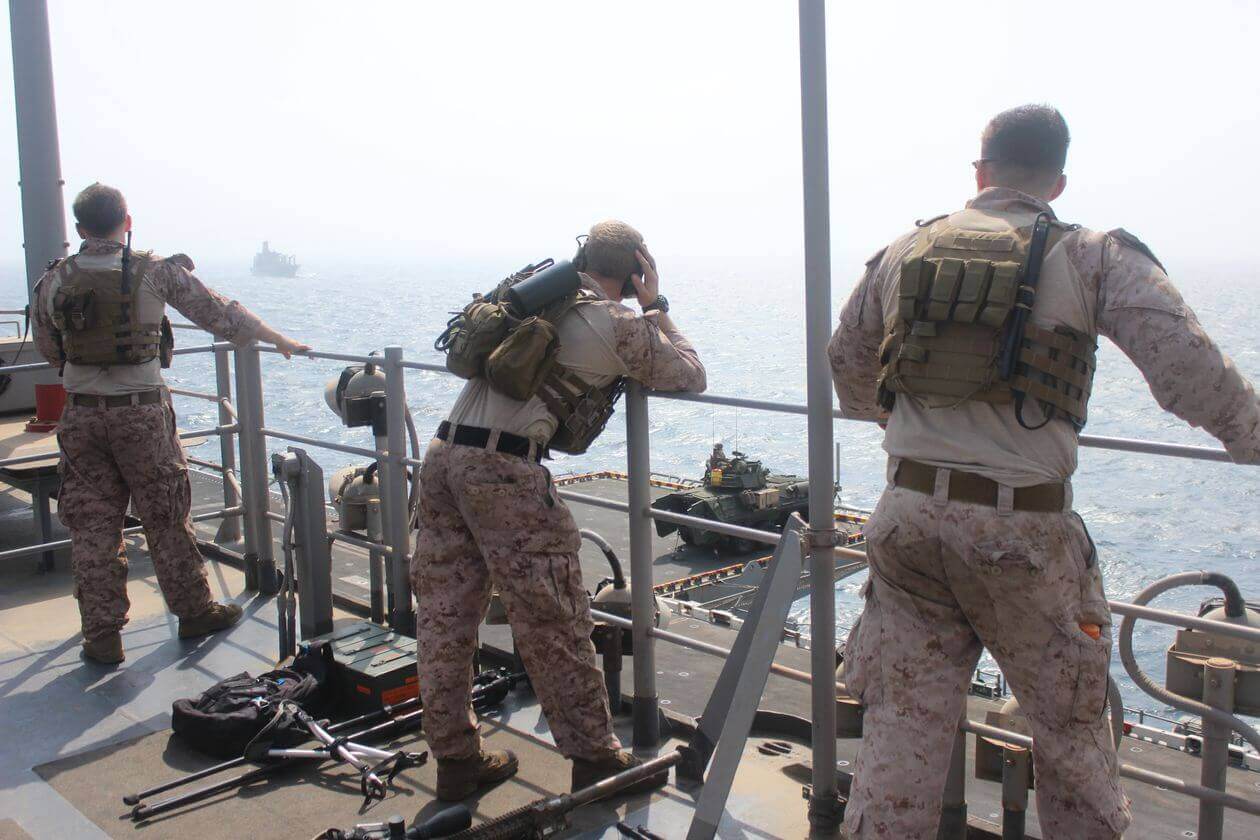
Platoon leaders moved through the ranks personally verifying that every vehicle and every soldier was combat ready.
The atmosphere was serious.
Everyone understood this was the final push to break the Iranian defenses.
Meanwhile, at the fifth fleet headquarters in the Middle East, Marines were executing their own highstakes preparations.
On the decks of amphibious ships, including the USS Tripoli, Marines loaded into amphibious combat vehicles and LCAC hovercraft.
They carefully secured full combat gear, rifles, body armor, and heavy packs.
The vehicles rolled down the well decks and entered the water, their tracks churning as they prepared to transition from sea to shore.
On the flight decks, CH53E Super Stallions and MV22 Ospreys spun up their rotors, ready to lift additional waves of Marines toward the coastline.
The Marines mission was clear.
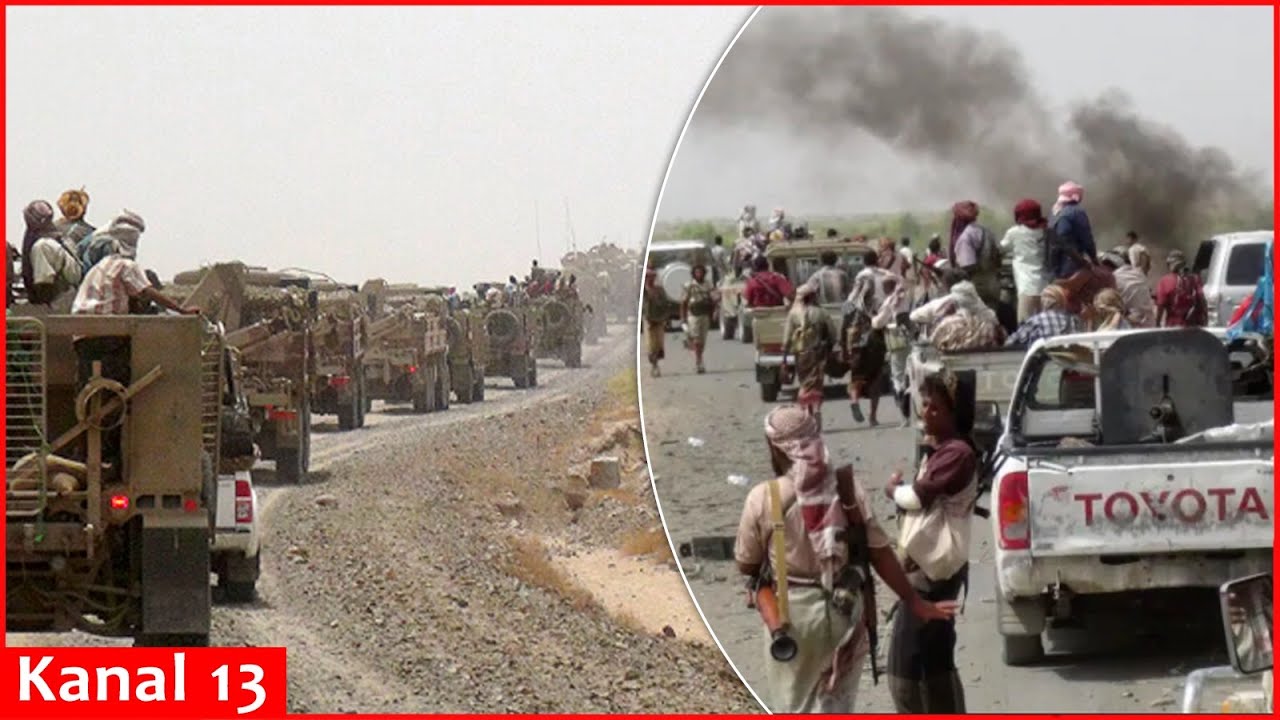
Strike from the sea, link up with the army forces advancing from the land, and destroy the last missile sites guarding the strait.
High above, F-35 stealth jets and B-52 Stratafortress bombers prepared to dominate the skies and support the ground operation.
F-35 pilots reviewed their target packages one final time, confirming weapons loads and stealth profiles.
B-52 crews loaded heavy bomb strings and ran complete system checks.
Their role was critical.
They would hit Iranian naval ships and any surviving air assets, clearing the path for the soldiers and marines below.
The operation began with remarkable coordination.
The third infantry division’s armored column started its advance from the desert.
Tanks and Bradley’s rolled forward in long columns protected by attack helicopters flying overhead.
The ground shook as the heavy armor moved toward the coastline.
At the exact same moment, Marines launched from the sea.

Amphibious combat vehicles churned through the waves, their hulls cutting through the water as they approached the shore.
LCSC hovercraft skimmed across the surface at high speed, carrying troops, Humvees, and heavy equipment.
As the hovercraft reached the beach, their ramps dropped and vehicles drove straight onto the sand without stopping.
From the air, paratroopers dropped onto keyh high ground to secure the flanks and prevent any counterattack.
As the ground forces closed in on the Iranian positions, the air strikes began in full force.
B-52s released their J dams in carefully planned patterns, hammering coastal missile sites and naval ships positioned to block the straight.
Explosions lit up the coastline as launchers and radar arrays were destroyed in massive fireballs.
F-35s followed immediately with precision strikes.
neutralizing any surviving air defenses and ships attempting to maneuver or launch missiles.
The Iranian naval presence was systematically dismantled from above while the ground forces pressed forward from multiple directions.
The Third Infantry Division’s heavy armor provided the crushing power needed to break through hardened positions.
Main guns thundered as tanks destroyed bunkers and missile launchers that the infantry could not reach.
Marines from the sea cleared beach positions and pushed inland, linking up with the armored column and the paratroopers who had dropped from the sky.
The link up on the ground was smooth and rapid.
Units from different directions met, exchanged quick situation reports, and continued the advance together as a single powerful force.
The fighting was intense, but clearly one-sided.
Iranian defenses already weakened by previous operations could not withstand the combined pressure coming from land, sea, and air.
Soldiers and marines moved forward under the protection of tank fire and air support, clearing one position after another.
One by one, the remaining missile sites fell silent.
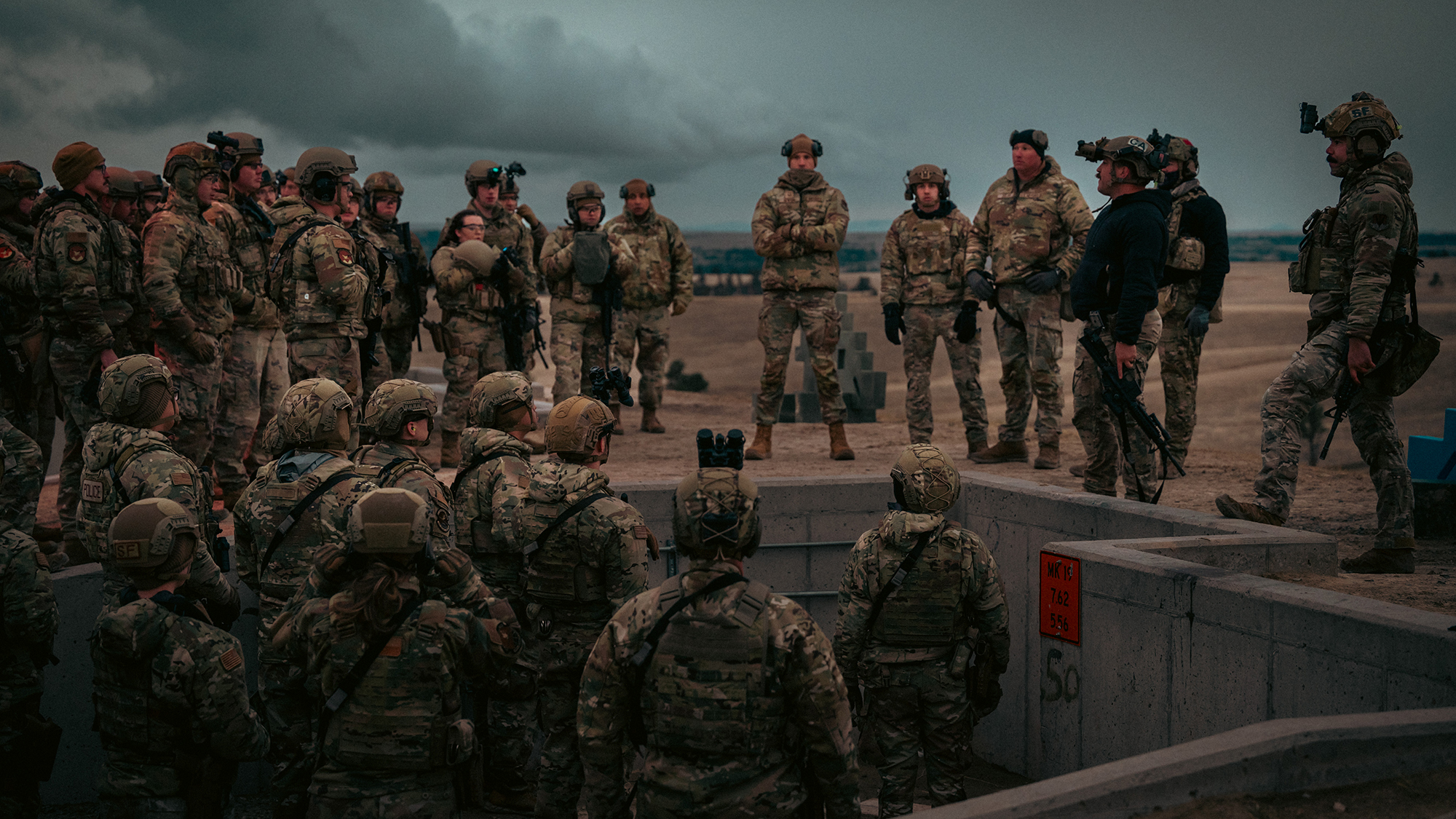
Naval ships that tried to support the coastal defenses were either sunk by air strikes or forced to withdraw under heavy pressure.
By the time the sun stood high in the sky, the last major Iranian missile battery guarding the straight of Hormuz had been captured and destroyed.
The moment carried real historic weight.
The first oil tanker sounded its horn in victory as it passed safely through the straight.
Dozens more followed, their crews waving from the decks as they saw American forces in complete control of the coastline.
The world’s most important shipping route was open again after weeks of tension and blockade.
On the secured coastline, commanders from the third infantry division, the Marines, and the airborne units stood together.
They watched as the American flag was raised over the final captured positions.

The Iranian missile threat and naval blockade had been eliminated through the combined strength of American soldiers advancing from the desert, Marines striking from the sea, and air power dominating from above.
As the dust settled and the last explosions faded into silence, the troops took a moment to look out over the now quiet waters of the straight, tankers moved steadily through the channel.
A visible sign that their hard work had paid off.
The soldiers, marines, and pilots knew they had achieved something significant.
Not just for their mission, but for the millions of people around the world who depend on this waterway every single day.
The force now prepared to secure the area and support the next phase of operations.
They had done their part.
The straight of Hormuz was flowing freely again, and the world could once more rely on this critical lifeline for energy and trade.
Captain James Harlland’s voice carried across every radio channel with quiet strength.
All objectives secured.
The missile sites are gone.
The naval threat is eliminated.
The straight is open.
Outstanding work by every soldier and marine involved.
The American flag flew high above the coastline.
As the operation concluded, the mission was complete.


